Pinealon

****Will be back in stock, May 7, 2026
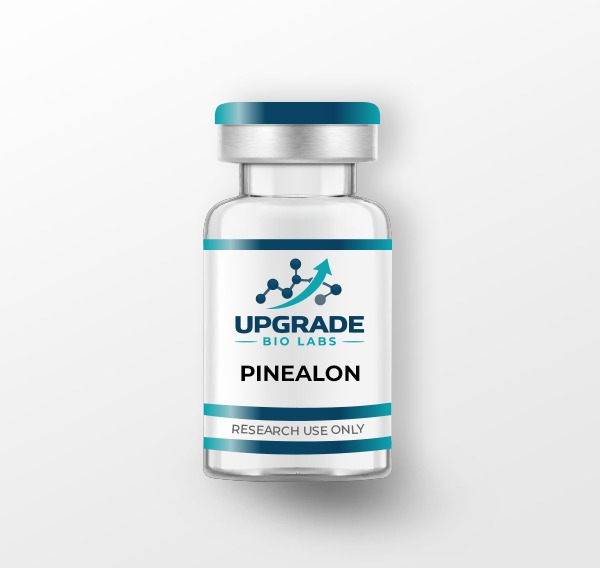
Pinealon (Glu-Asp-Arg) is a synthetic tripeptide studied primarily for its neuroprotective, cognitive-enhancing, and anti-aging effects on the central nervous system. It is researched to improve memory, attention, and mental performance in the elderly, as well as to combat age-related brain dysfunction, oxidative stress, and neuronal damage
Key areas of study for Pinealon include:
- Neuroprotection & Cognitive Enhancement: Studies indicate Pinealon can reduce neuronal apoptosis (cell death) and improve memory, attention, and cognitive function, particularly in older individuals. It is often explored for its potential to slow cognitive decline.
- Brain Cell Resilience: Research suggests Pinealon increases brain neuron resistance to hypoxia (low oxygen) and minimizes damage from excitotoxicity. It is studied for its ability to reduce reactive oxygen species (ROS) and support neuron survival, say sources like Biotech Peptides and PubMed.
- Anti-Aging & Gene Expression: Pinealon is studied as a “geroprotector,” aimed at reducing the rate of aging in patients with organic brain syndrome. It may improve the expression of genes related to brain protein synthesis.
- Sleep & Mood Regulation: Studies have suggested Pinealon can help manage shift work disorder, improve sleep quality (including REM sleep), and treat seasonal affective disorder.
- Mechanism of Action: It is believed to act on the central nervous system by promoting gene expression, which helps regulate protein production and enhance synaptic plasticity.
National Institutes of Health (.gov) +6
It is important to note that many of these findings originate from studies focused on Russian peptide research, often in elderly patients or animal models.