5 Amino 1 MQ
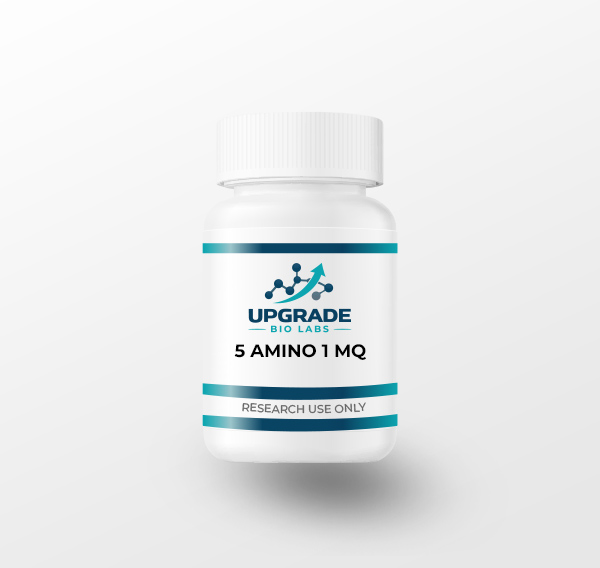

5 Amino 1MQ
5-Amino-1MQ is a synthetic small-molecule compound developed for research and laboratory studies. It is designed to selectively target the NNMT enzyme (nicotinamide N-methyltransferase), enabling controlled investigations into metabolic pathways, fat metabolism, and cellular energy regulation.
Description
5-Amino-1MQ is a research-grade small molecule used in preclinical studies to explore:
• NNMT inhibition and downstream metabolic effects
• NAD+ modulation and mitochondrial function
• Fat oxidation and cellular energy production
• Experimental pathways related to obesity, longevity, and body composition
The compound is supplied as capsules, tablets, or lyophilized powder, facilitating reproducible dosing in laboratory settings. It enables researchers to study metabolic processes, tissue-level responses, and molecular signaling without therapeutic claims.
Dosage/Form
50 mg per capsule or vial; available as capsules/tablets or freeze-dried powder
Purity
≥99% verified by HPLC; additional testing includes endotoxins, sterility, weight verification (~58.35 mg per vial), and TFA content
Molecular Details
CAS Number 252917-06-9
Solubility
Water, DMSO, or ethanol; pH 6.5–7.5 (1 mg/mL in H₂O)
Storage
-20 °C, protected from light and moisture
Packaging
Sterile, sealed vials or bottles (e.g., 60 capsules) with tamper-evident caps for laboratory safety
Research
Energy Metabolism
Enhanced fat oxidation and energy metabolism in preclinical models
Muscle Preservation
Preservation of muscle mass during metabolic stress
Mitochondrial Function
Increased NAD+ levels in fat cells and improved mitochondrial function
Metabolic Applications
Applications in experimental weight management, body composition, and aging pathways
All batches are third-party verified for purity and quality. Research use is limited to in vitro and preclinical studies, and the compound is not approved for clinical, therapeutic, or human use.